

Orchids Are Extraordinary—and at Risk
Using a collaborative “circa situm” approach—conserving species within their natural ranges—the OGCN brings together gardens, reserves, universities, and private collections worldwide to protect native orchids in their natural environments.

Conserve
We protect native orchids and their companion ecosystems through circa situm strategies, safeguarding species within their natural ranges while supporting ecological integrity and long-term survival.

Grow
We support the creation and expansion of orchid gardens and reserves by providing guidance, educational tools, and pathways to funding for conservation initiatives around the world.

Connect
We bring together gardens, institutions, and individuals into a global network that shares knowledge, expertise, and resources to strengthen conservation efforts everywhere.

Activate
We turn collaboration into action by supporting research, propagation, and hands-on conservation projects that engage communities, build capacity, and help secure the future of wild orchids.

What Is Circa Situm Conservation?
A hybrid approach that blends the best of in situ and ex situ conservation. It means cultivating orchid species within their natural range, often in protected gardens or reserves. This method supports ecological health, natural pollination, and community involvement—while ensuring access for research and education.
Who We Work With:
• Botanical Gardens
• Universities
• Conservation NGOs
• Ecotourism ventures
• Orchid Societies
• Commercial Growers
• Educators and Students
Why orchids?
• They are indicators of ecosystem health.
• They form intricate relationships with fungi, pollinators, and host plants.
• Orchid species are heavily threatened and poorly represented in global collections.
• They provide valuable insight into ecology, evolution, and species interactions.
• Local repositories are essential to their conservation.


Our goals
Our Goals
• Promote public education and awareness
• Build a global network of orchid gardens and reserves
• Connect conservationists to collaborate on projects and share resources
• Assess conservation status for thousands of orchid species
• Map worldwide conservation efforts and identify gaps
• Provide hands-on conservation projects for students and communities
• Propagate endangered species for reintroduction
Why we need a network
Currently, many orchid conservation gardens and reserves exist—but they operate in isolation. This fragmentation limits collaboration, reduces visibility, and prevents collective funding and research.
OGCN provides:
• A unified platform for orchid conservation
• A way to connect local gardens with national institutions
• Visibility and support for local projects
• Access to best practices and collaboration opportunities
• A place to engage scientists, conservationists, growers, students, and enthusiasts in meaningful conservation

Featured Gardens
-
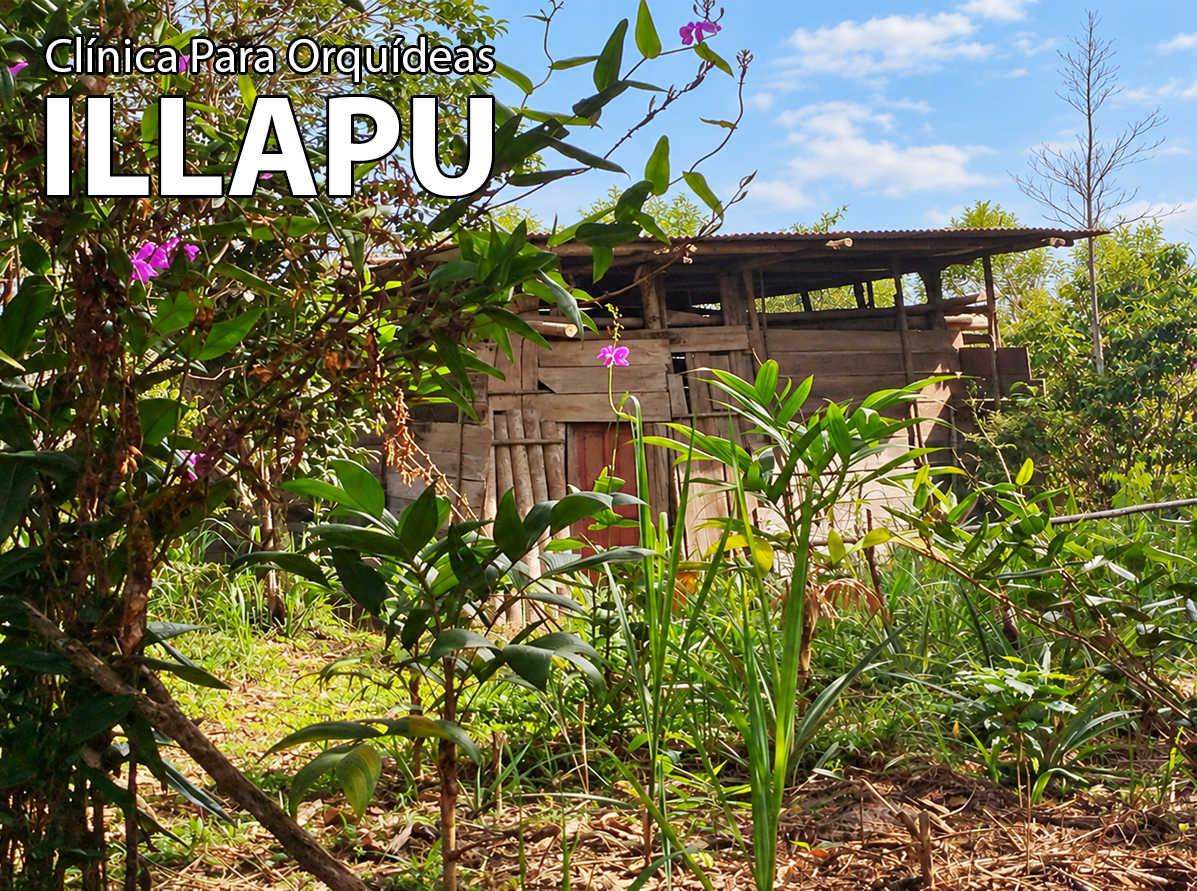
Founded in 2017, Clínica para Orquídeas Illampu is a family conservation project in Peru’s Cusco region. Within a 50-hectare cloud forest reserve, the Pacheco–Serrano family rescues native orchids, protects more than 50 orchid species, and safeguards forests and springs that supply water to surrounding communities.
-
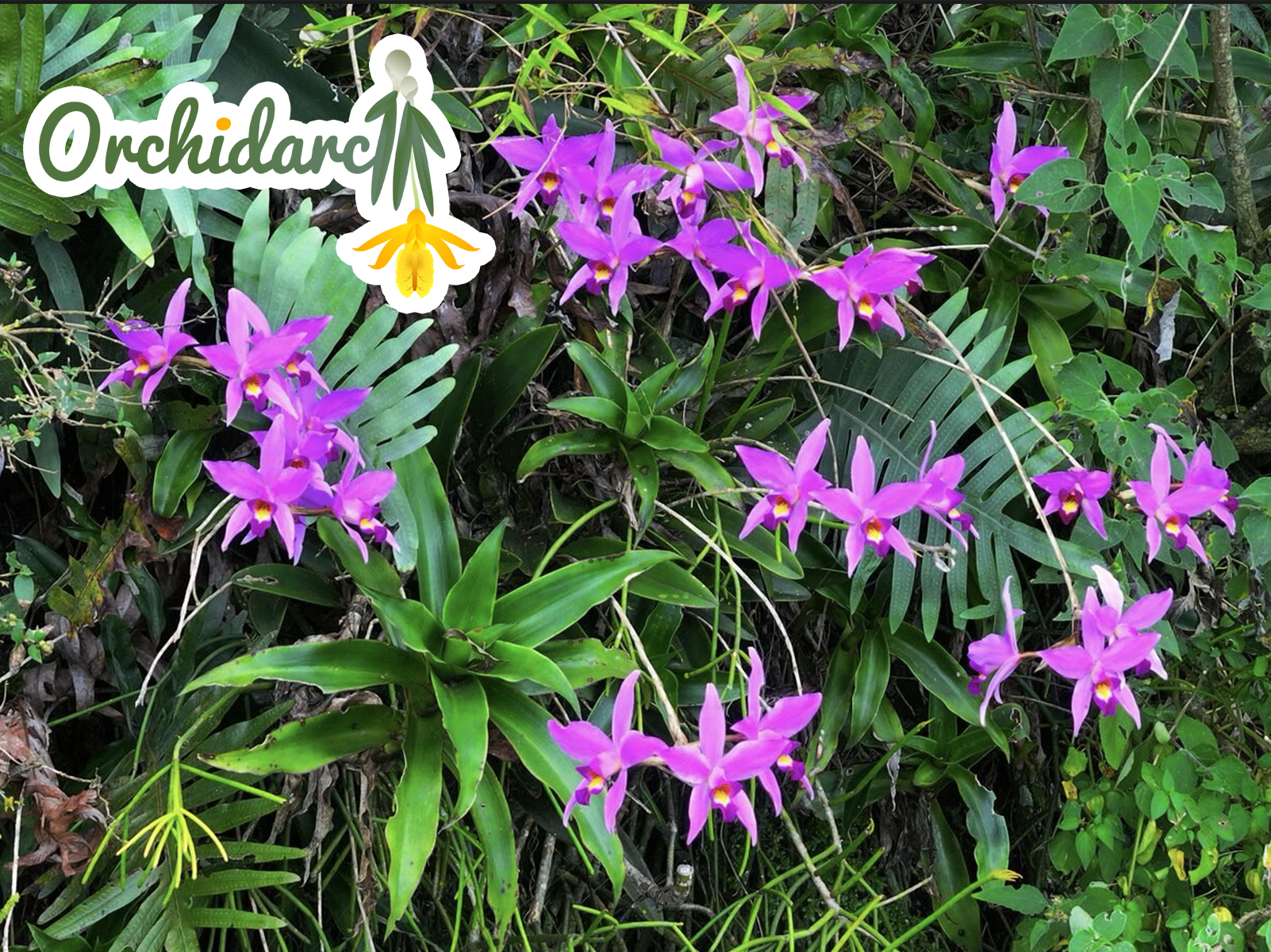
Located in the cloud forests of Veracruz, Mexico, Orchidarc combines a 14-hectare conservation reserve with a collection of approximately 500 orchid species in cultivation. Home to around 50 native orchid species, the reserve supports habitat restoration, research, threatened species propagation, and conservation education through guided tours and documentary filmmaking.
-
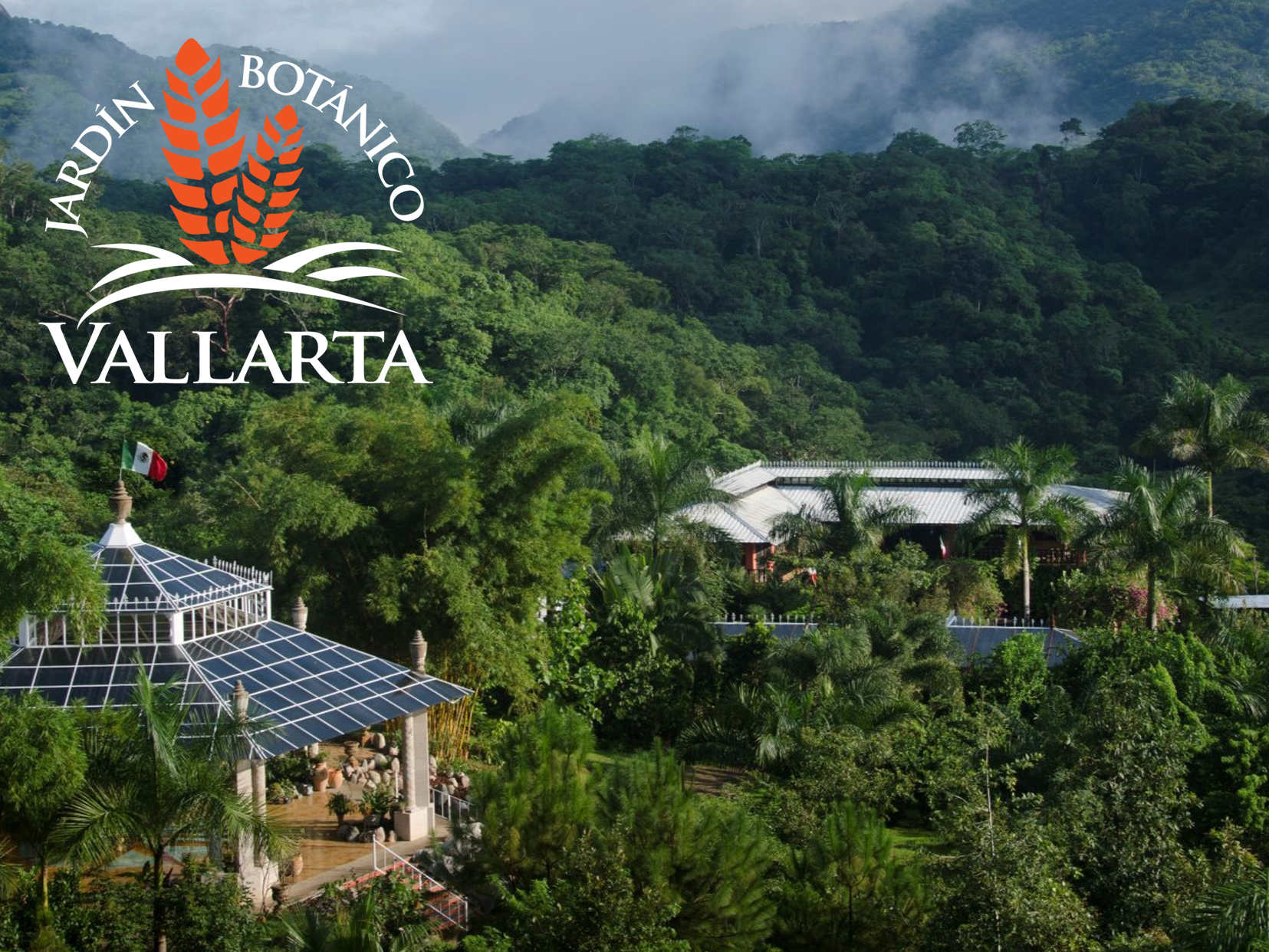
Vallarta Botanical Gardens is a tropical botanical garden and conservation center in the Sierra Madre foothills south of Puerto Vallarta, Mexico. Protecting nearly 300 acres of native forest and cultivating over 1,200 plant species and hybrids, it combines orchid conservation, research, education, horticulture, tourism, a micropropagation laboratory, collections, trails, and visitor facilities.

Without the participation of local stakeholders in orchid-rich areas of our planet, we cannot expect to have any real success conserving orchids in the long term.
Thomas J. Mirenda
